
Lomita's City Directory Shelf
The verified local spine is the Los Angeles County Library Californiana inventory, not a generic national directory list. It names a 1952 Greater Business Directory, Haines South Suburban and South Coast cross-cross volumes, Pacific Bell South Bay address and phone books, and later South Bay YP/WP editions. The runs are useful because they preserve different kinds of name and address clues. They are also discontinuous. A missing year is a gap, not permission to assume that the same person stayed at the same address.
| Collection | Years | Publisher | Where Held | Access |
|---|---|---|---|---|
| Greater Business Directory | 1952 | Not identified in inventory | Californiana, Norwalk | Closed-stack retrieval |
| Los Angeles South Suburban Cross-Cross Directory | 1981, 1983-1986, 1988 | Haines | Californiana, Norwalk | Address-oriented; staff retrieval |
| Los Angeles County South Coast Cross-Cross Directory | 1989, 1990, 1992 | Haines | Californiana, Norwalk | Address-oriented; staff retrieval |
| South Bay Address and Phone Directory | June 1988; December 1990-1992 | Pacific Bell | Californiana, Norwalk | Closed-stack retrieval |
| South Bay YP/WP | 2001-02, 2003, 2004-05, 2005, 2006, 2008, 2009 | Not named in inventory | Californiana, Norwalk | Selected editions; gaps remain |
The inventory does not establish a continuous annual series. Haines supplies the strongest address-first run from 1981 through 1992, with listed omissions. Pacific Bell gives dated subscriber and phone snapshots. The South Bay YP/WP run extends the shelf into the 2000s, but its title-page publisher and each edition's exact coverage should be checked on retrieval. That distinction matters when a family trail turns on one year.
Norwalk's Lomita Directory Holdings
The Californiana Collection is in closed stacks at Norwalk Library, 12350 Imperial Hwy. Its broader research room has more than 24,000 books, over 200 periodical and newspaper titles, California census schedules from 1850-1910, the Los Angeles Star from 1851-1879, regional directories, and official histories. The Californiana collection description is the starting point, while the directory inventory PDF gives the exact Lomita-related titles and years.
Call or use reference service before traveling. The shelves are not an open browse area, so a request should name the target street, house number, person, and year range. The Lomita Library branch at 24200 Narbonne can provide telephone and in-person research help, photocopying, catalog access, databases, Los Angeles Times through ProQuest, and Daily Breeze through NewsBank. Its staff can help refine a title or year, then confirm whether Norwalk retrieval is required. That fallback is more reliable than treating an unverified online hit as a local volume.
Digital Trails for Lomita Directories
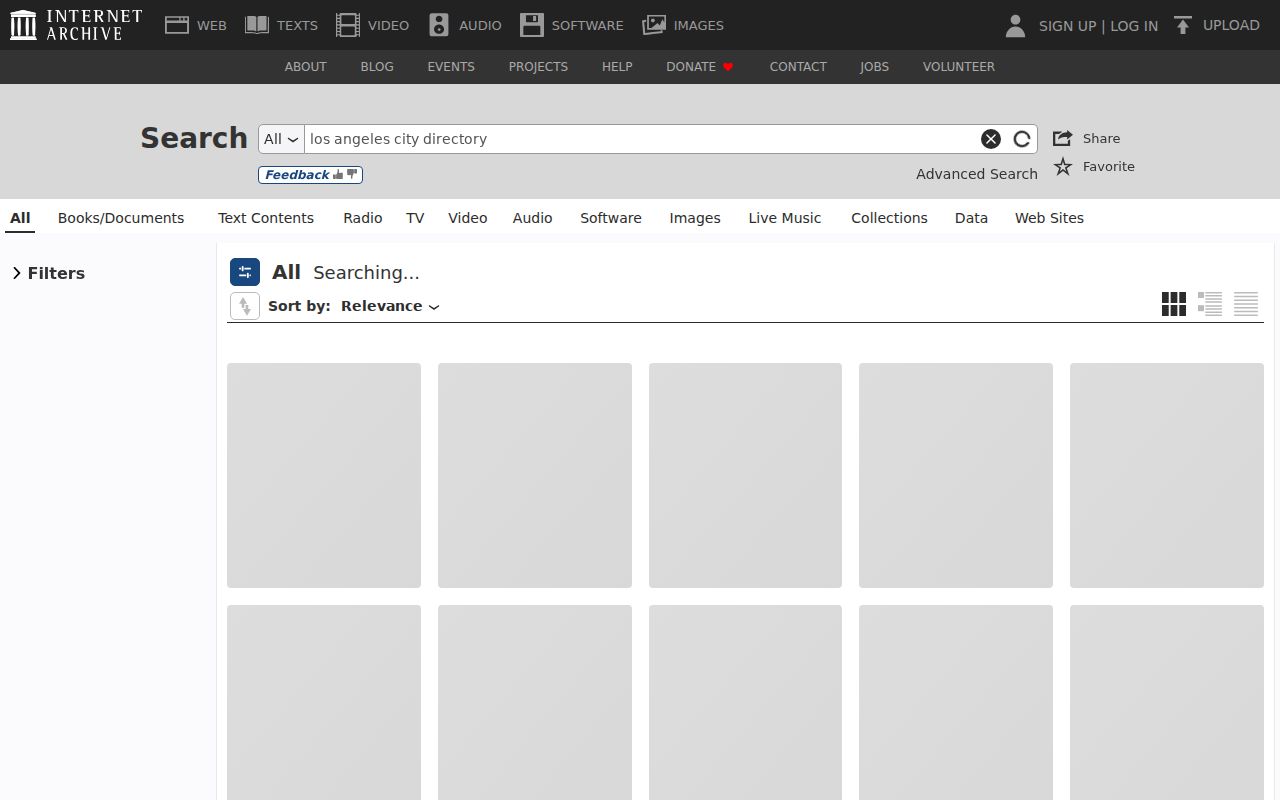
Online discovery helps, but it does not replace the verified shelf. The Internet Archive directory search can surface digitized Los Angeles-area books and related catalog records. Its result set is a regional discovery aid, not evidence that a particular Lomita volume or page is available. Check the individual volume title, publication year, scan quality, and geographic scope before using a result as a name clue.
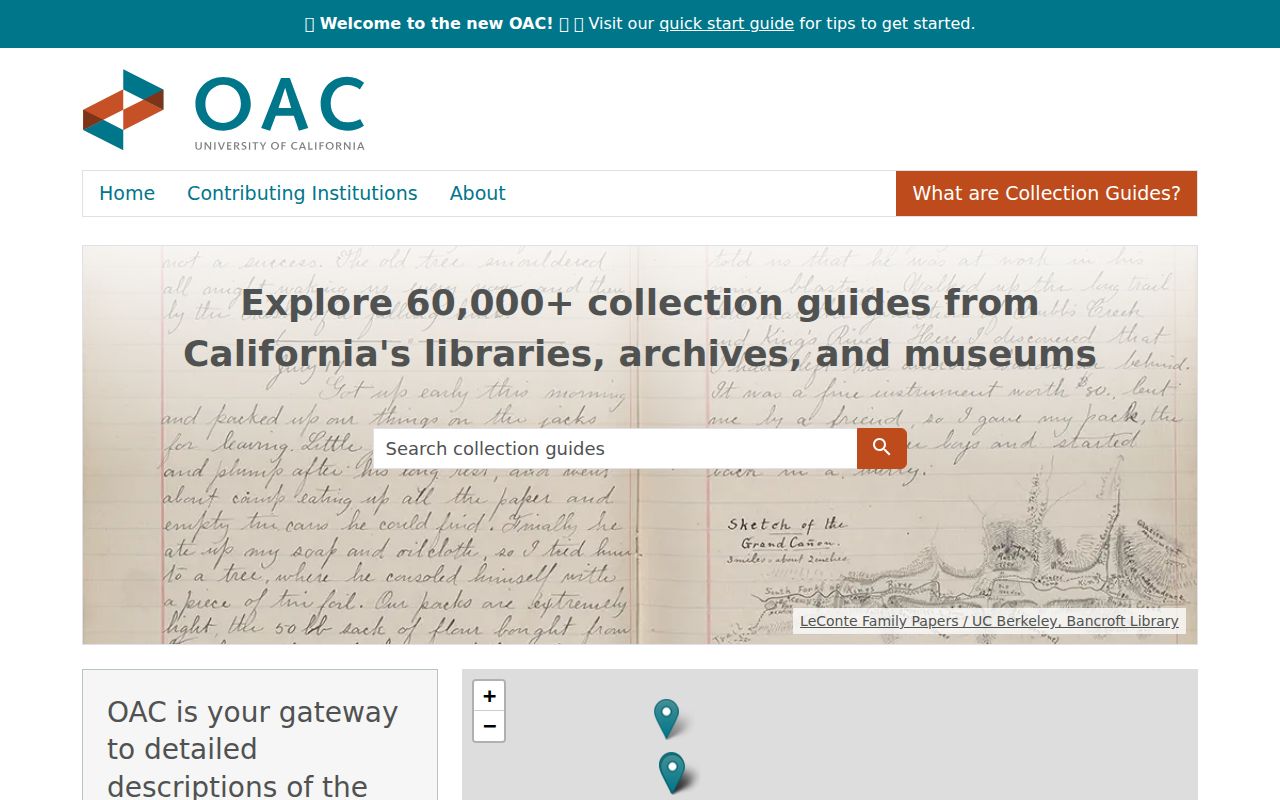
The Online Archive of California is another discovery layer, with institution and collection filters for archival finding aids. It can identify a repository or related manuscript collection, but it is not a confirmed online Lomita directory page. Los Angeles Public Library's History & Genealogy directory collections at 630 W. Fifth Street are another discovery aid, and its directory index requires a card or login. Use these services to form a precise request for Norwalk, the Lomita Historical Society, or another repository. The available evidence does not support claiming that a complete Lomita directory run has been digitized.
That limitation is useful context. Search results may reveal a neighboring city, a collection-level record, or a scan without the expected street. Treat each hit as a lead to verify, not as a substitute for the closed-stack inventory.
Reading a Lomita City Directory
A typical directory can be read in two directions. A name or householder arrangement points from person to address. A cross-cross section reverses the path: street first, then house number, then the listed occupant or telephone subscriber. The Lomita research file does not include a manually inspected page from one of these volumes, so the following is a safe expected-field inventory, not a claim about every Haines or Pacific Bell entry.
| Name or subscriber | The printed person, household label, or telephone subscriber attached to the listing. |
|---|---|
| Street and number | The address sequence used by a cross-cross volume, subject to historical spelling or numbering gaps. |
| Telephone | A number when the volume includes it; a missing number should remain missing. |
| Occupation or business | A line of context that can distinguish same-name entries when the volume prints it. |
| Spouse or household note | Possible in ordinary directory formats, but not verified for a specific Lomita volume. |
| Owner/renter mark | Only use a symbol if the retrieved volume explains it in its own key. |
- Cross-cross directory
- An address-first section arranged by street and number, useful for finding the listed occupant or subscriber at a place.
- Householder index
- A name-first arrangement that points toward an address or household entry; the volume's title page should define its scope.
- Abbreviation key
- The legend for short forms, symbols, and address or relationship marks. Photograph or transcribe it before reading entries.
Keep the exact spelling, initials, line breaks, and symbols. A directory listing identifies what the publication printed at a dated moment. It does not by itself prove a deed, a family relationship, or a current residence.
Lomita Directory Listings Are Not Deeds
A cross-cross entry is a listed occupant or subscriber clue. Recorded property evidence answers a different question. Los Angeles County Registrar-Recorder/County Clerk real-estate records are indexed by grantor or grantee name and recording year, not by street address or APN. The Assessor Portal can connect a situs address to an AIN and parcel facts, while owner information for a specific parcel follows an offline phone, counter, or contact route.
| Evidence | Best question answered | What it cannot establish alone |
|---|---|---|
| Cross-cross listing | Who the directory listed at a street number | Deed ownership or present occupancy |
| Assessor parcel | Which AIN and situs parcel match an address | A complete household list |
| Recorded instrument | Which indexed parties joined a transaction | That a listed subscriber lived there |
When a directory clue needs present-day checking, a name, date, role, and second official source should travel together. A modern Lomita resident lookup can help compare a directory clue with court, vital, license, or parcel evidence without collapsing those roles into one conclusion.
Tracing Lomita City Directories Across Years
Family history work benefits from the irregularity of the Lomita shelf when every gap is recorded honestly. Start with the known surname, street, or telephone clue. Then compare the next available edition rather than filling a missing year with an assumption. The released federal census schedules provide a separate household snapshot, while newspapers and probate or obituary evidence can explain a departure from a listing.
- Choose the closest Haines, Pacific Bell, or South Bay edition to the target year, and record its full title.
- Read the name-first and address-first portions when both exist; copy the street, number, initials, telephone, occupation, and symbols exactly.
- Compare the next listed year, marking a move, new spelling, business change, vacancy, or missing entry without inferring the reason.
- Pair the directory date with the nearest released census schedule, newspaper issue, deed reference, or permit record that has the same geography.
- Use an obituary or probate file as a possible endpoint, then verify any relationship through the record custodian.
The 72-year release rule makes 1950 the latest federal census schedule publicly released as of 2026. A census records a household at one census date; a directory records what its publisher listed in another year. A name that disappears may reflect a move, death, an unlisted telephone, a publication gap, or a changed address. Only a second source can narrow the reason.
Lomita Library's Directory Story
The local research trail has its own history. Lomita Library began in June 1914 in a clubhouse with 232 books and 14 cardholders. The branch moved to the Smith Building storefront in 1918, a new building in 1928, the former Pioneer Press building in 1960, and the civic-center site dedicated on April 10, 1976. Those changes help explain why local research may be split among branch service, county closed stacks, newspaper databases, and historical collections.
- 1914 - The clubhouse library opens with 232 books and 14 cardholders.
- 1918 - Service moves to the Smith Building storefront.
- 1928 - A new library building becomes the branch location.
- 1960 - The former Pioneer Press building becomes a library site.
- 1976 - The civic-center site is dedicated on April 10.
The branch is a practical first call for a precise year or street question. It can point a researcher toward catalogs, databases, and local-history material, while Norwalk remains the verified location for the closed-stack directory inventory.
Lomita's 2019 Photo History Project
The Lomita Historical Society, founded in 1974, preserves more than a directory shelf. It lists a local contact at P.O. Box 1393, Lomita, California 90717, with phone 310-539-0733. Its 2019 Photo History Project scanned resident-held pre-1980 photographs and documents about people, places, events, and daily life. Contributors kept their originals, while digital copies could be offered to the county library history collection.
The Historical Society contact page is not a searchable finding aid, so holdings should not be described as fully digitized. A focused inquiry can give a family name, street, approximate years, or event and ask about captions, donor notes, clippings, maps, and restrictions. The photo project can bridge a missing directory year, but its caption and date still need comparison with a directory, newspaper, deed, or vital record.
The county's Photo History Project notice documents the scanning work. The 2026 time-capsule reveal is another Historical Society lead, but its online description does not inventory every artifact. Ask for an accession or exhibit description before treating an artifact as a person-specific source.
When a Lomita City Directory Stops
No actual Lomita directory page was inspected online. That research gap is material. The collection inventory confirms titles and years, but a staff-retrieved volume is required before claiming that a particular entry contains a spouse, occupation, owner mark, or other field. No verified Lomita-specific obituary index or Sanborn run was located either. Library and Historical Society staff are the documented fallback when a name or street needs a deeper local search. If the missing clue is in a municipal file rather than a shelf, the Secretary of State's Public Records Act FAQ explains requester scope, timing, and fee basics before a focused Lomita City Clerk request.
Use the directory as one dated layer. Preserve the publisher, edition, page, street spelling, number, and exact role attached to the name. Then compare it with a county parcel or deed record, a newspaper issue, a released census schedule, or a probate file whose date and geography overlap. That method keeps the verified directory collections useful for genealogy and house history without turning a publication line into proof that the underlying fact was current, complete, or legally dispositive.